
What Guides the MAP
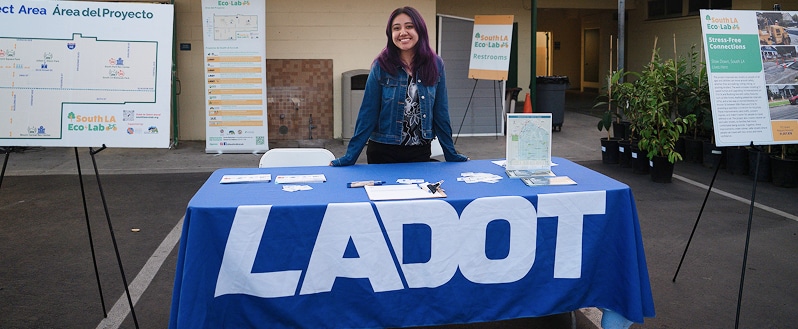
The MAP is guided by adopted City goals, community input, equity analysis, and the everyday transportation needs Angelenos shared through engagement. Together, these inputs help define what future transportation investments should support: safer streets, better access, stronger connections, healthier communities, and clearer decision-making.

The MAP is organized around seven Guiding Principles. These principles describe the values that shape the plan and help guide how future transportation investments are planned, prioritized, and updated over time.
Focuses on safe, comfortable, and well-maintained streets and transportation options for people of all ages, genders, abilities, and immigration status.
Centers investments in communities that have experienced historic disinvestment and barriers to mobility.
Supports transportation infrastructure and services that work for people of all ages, languages, and abilities.
Connected, Multimodal Communities
Builds better walking, biking, rolling, and transit connections to jobs, schools, services, family, friends, and everyday destinations.
Healthy and Sustainable Communities
Supports cleaner, healthier, and more climate-resilient communities through sustainable transportation investments.
Transparency and Collaborative Governance
Supports clearer public information, better coordination across agencies, and meaningful community participation.
Strategic Resource Stewardship
Helps the Citymake coordinated, data-informed investment decisions that preserve public assets and deliver long-term community benefits.
The MAP uses a Mobility Equity Index — a data tool that looks at transportation access, community conditions, and mobility needs — to help identify areas where transportation barriers are more concentrated.
These areas are called Equity Priority Areas. They received additional focus during engagement and investment planning so the MAP could better reflect the needs of communities facing greater transportation challenges.
Explore the five Equity Priority Areas below to learn what communities shared and how their priorities are helping shape the MAP.
Communities


Community input helped shape the MAP by identifying the transportation issues Angelenos experience most often, including safety concerns, missing sidewalks and crossings, unreliable transit connections, shade needs, and barriers to walking, biking, rolling, and taking transit. These findings helped inform the MAP Guiding Principles, Equity Priority Area profiles, investment priorities, and policy and process recommendations.
During Winter 2025–2026, LADOT worked with community-based organizations to hear from Angelenos across the city about transportation priorities, challenges, and mobility needs.
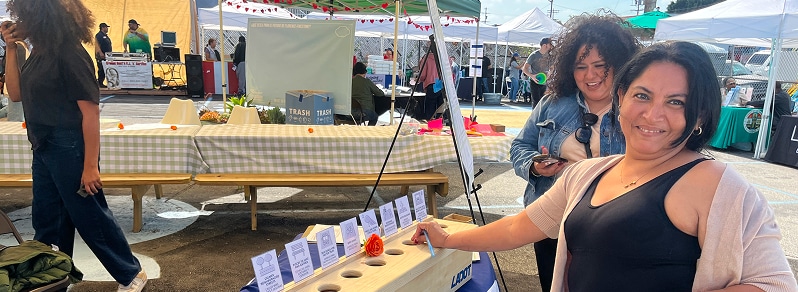
2,900+
People engaged in person
1,200+
Online participation
20+
Community events, most held in Equity Priority Areas
5
Community-based organization partners: Trust South LA, CCNP, Pacoima Beautiful, Proyecto Pastoral, and LA Walks
Across Los Angeles, people shared the need for better transportation options that are safer, more comfortable, more reliable, and easier to access.
Mobility Investment Priorities
- Transit
- Shade and public space enhancement
- Sidewalks and crosswalks
- Bike enhancements
Top Mobility Challenges
- Limited infrastructure for walking, biking, and transit
- Traffic safety
- Personal safety concerns
In summer 2026, LADOT returned to communities to share what was heard during Phase 1 and ask whether those findings reflected people’s experiences. Phase 2 reached community members at events in each Equity Priority Area and at one citywide event. Overall, participants largely confirmed that the MAP findings reflected the transportation challenges they see in their communities.